Blossom & Vicker

Synthetic Lab-grown Diamond

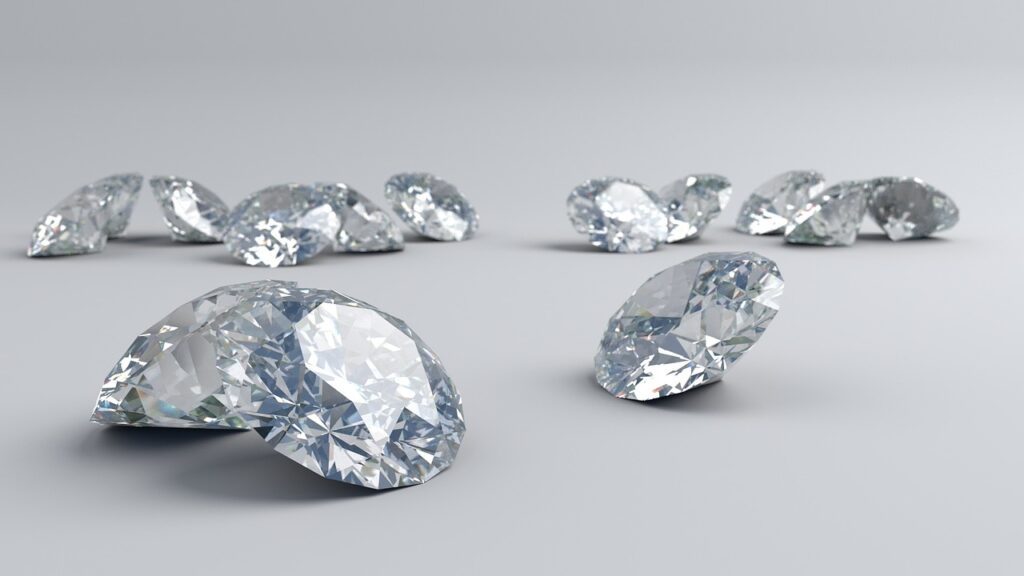
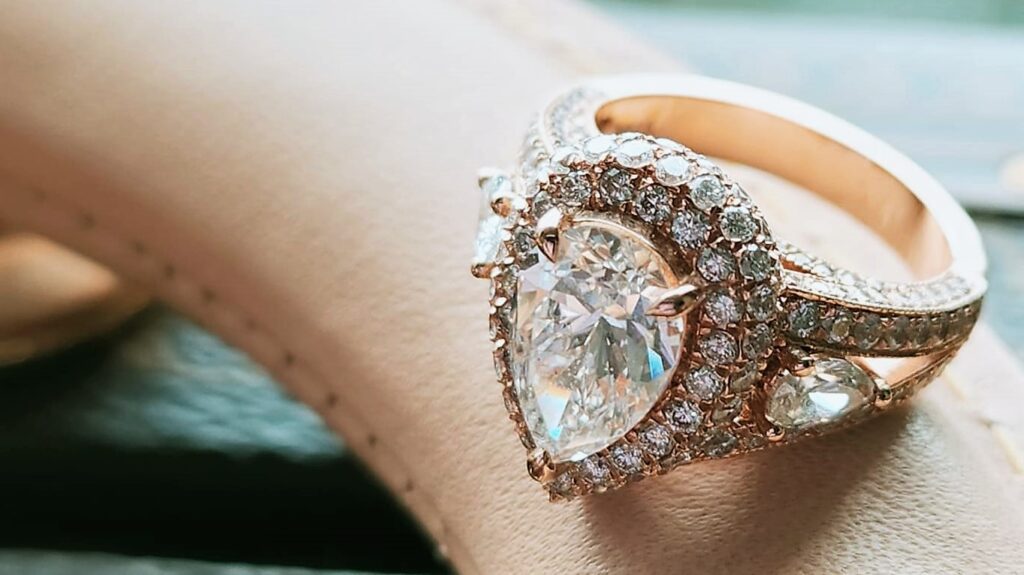
In the recent decade, the overwhelming production of lab-grown diamonds has caused mixed responses amongst consumers and the jewellery industry. Many have queries over its authenticity and how it will impact the natural diamond market. However, lab-grown and natural diamonds are indistinguishable in chemical composition, crystal structure, and optical and physical properties. The only difference …
Synthetic Lab-grown Diamond Read More »

Diamond

Diamonds are forever. The English name for diamonds came from the Greek word ”adamas” – unbreakable, invincible and unyielding – aptly describing the hardest natural substance on Earth. Nothing can scratch a diamond except another diamond. The 4C’s are the globally accepted standards to evaluate a diamond’s quality, determined by combining the assessments of each …

Diamond Read More »

Aquamarine

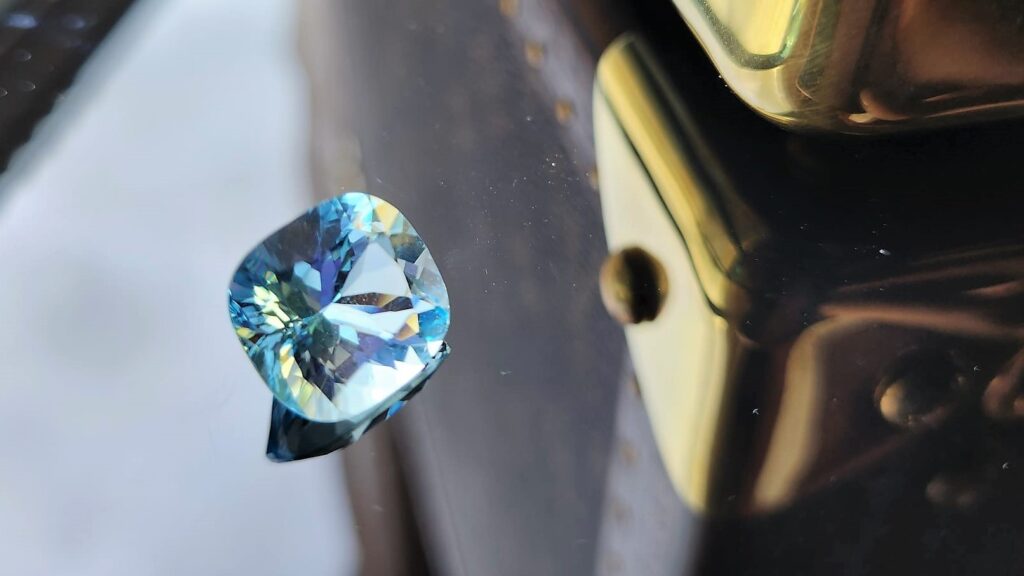
Aquamarine is a member of the beryl family, which includes the emerald. Named after the colour of seawater in Latin, aquamarine is also the stone of courage. Perfectly capturing the abundance and vastness of the ocean, the finest aquamarines display high clarity and vivid light blue tones. Aquamarine belongs to the beryl family, alongside the …

Aquamarine Read More »

Paraiba

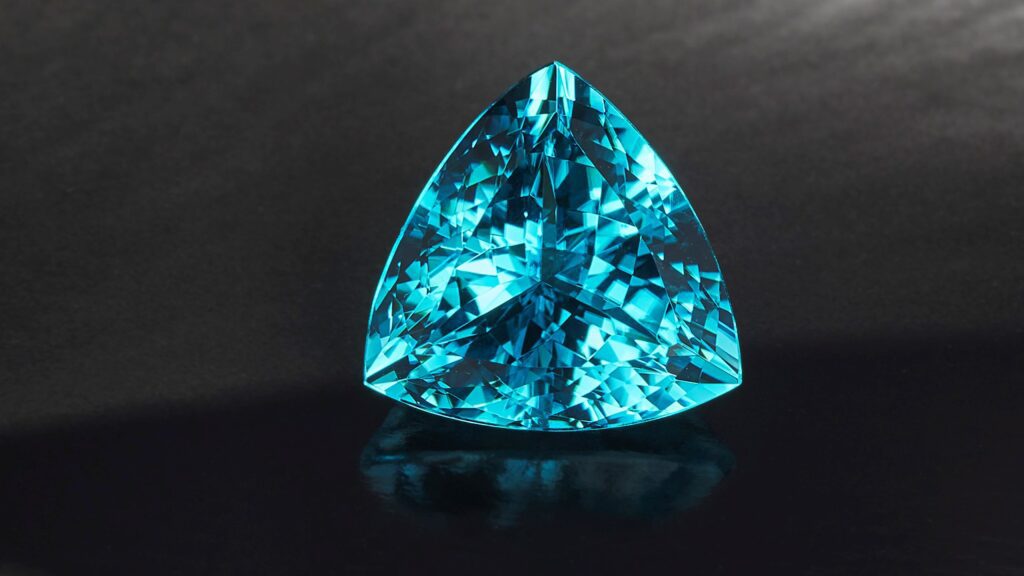
Paraiba, the rarest and priciest variety of tourmaline, captured the world’s attention with its striking neon blue hue that seems to glow even under dim lighting. With the original mines in Paraiba of Brazil long since exhausted, the price per carat of this gemstone is comparable to that of Pigeon’s Blood red rubies from Myanmar. …

Paraiba Read More »

Paraiba (Blossom & Vicker)

Tanzanite

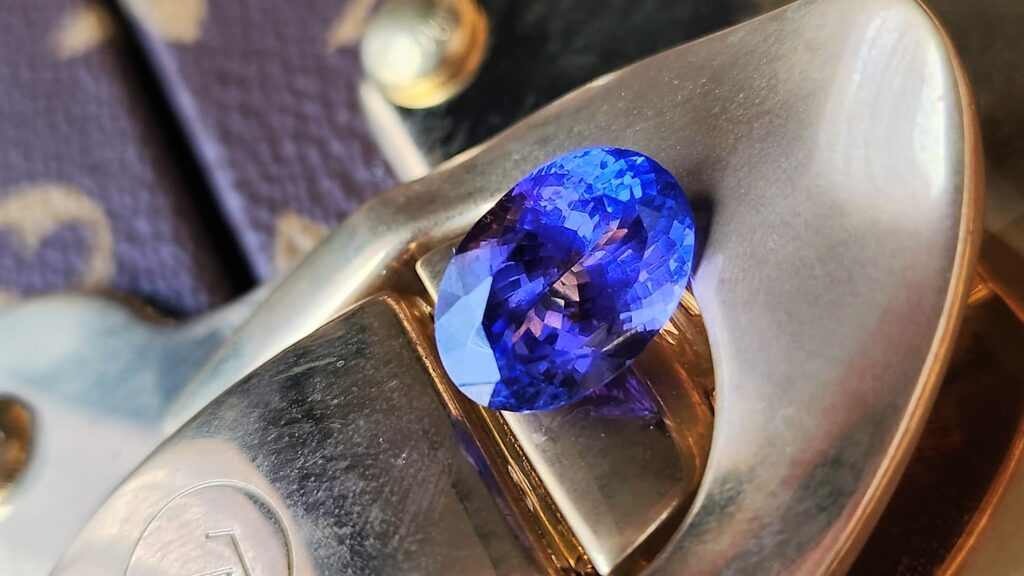
Tanzanite was discovered in 1967 in Tanzania, the only place where tanzanite is found. The gemstone was introduced to the trade in 1968 by Tiffany & Co., who later renamed it Tanzanite. Acclaimed by the industry as a “gemstone of the 20th century”, Tanzanite soon became the best alternative to sapphire at a much more …

Tanzanite Read More »

Sapphire

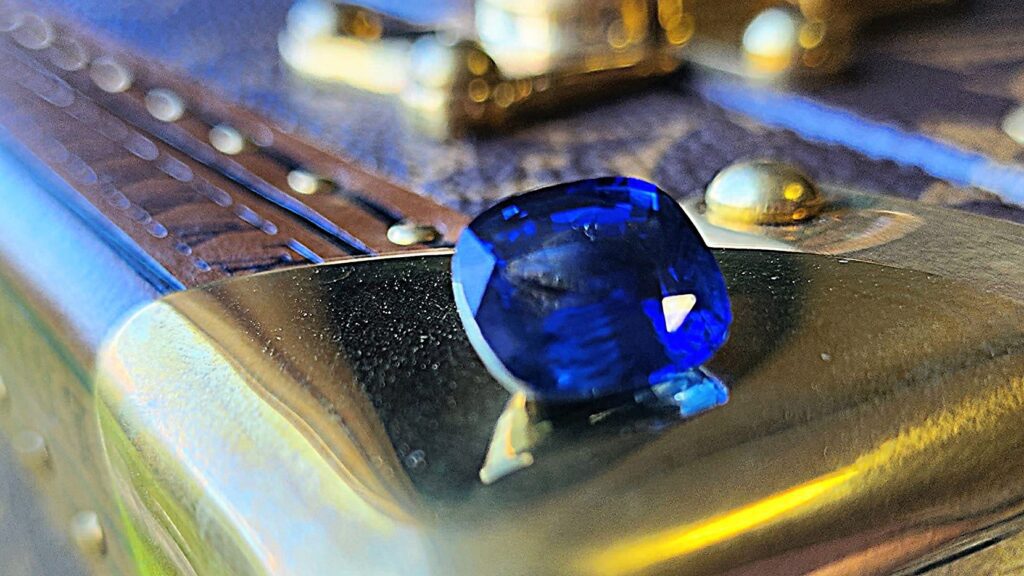
A member of the corundum family alongside ruby, blue sapphire symbolises nobility and romance and reputedly blesses its wearers with success. Amongst the various blue hues, the classic velvety ‘royal blue’ has always been the preferred choice for collectors. However, the renowned Kashmir sapphires from India command much higher prices than Mynmar’s due to their …

Sapphire Read More »

Padparadscha

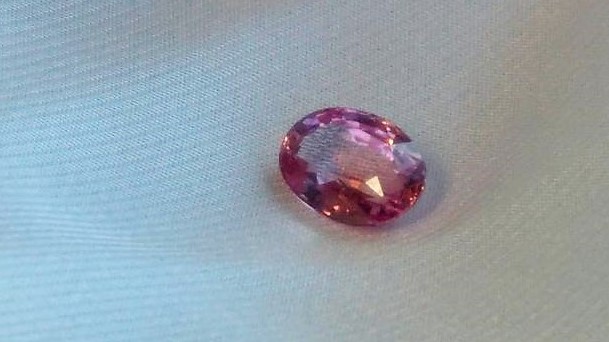
Ever since Princess Eugenie from the British Royal Family was seen wearing an engagement ring set with the gorgeous pinkish-orange gemstone, Padparascha has become one of the favourite picks by high-end jewellery brands. The ideal colour mix of this magnificent gemstone is a stringent 50-50 ratio between orange and pink. Refreshingly stunning in blends of …

Padparadscha Read More »

Red Spinel

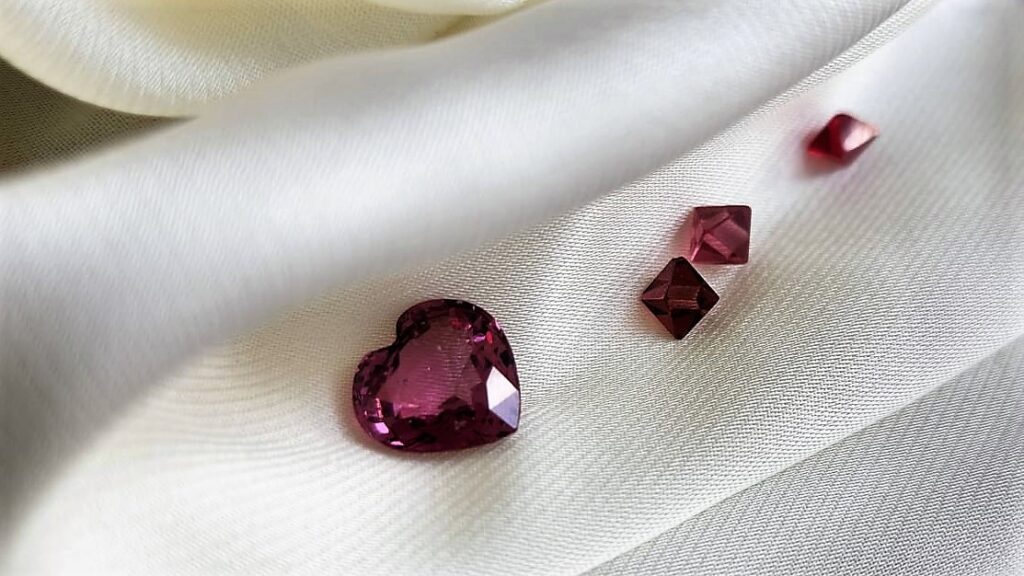
Red spinel has long been mistaken for ruby since ancient times, with famous examples adorning British Crown Jewels such as the Black Prince’s Ruby and the Timur Ruby. However, in recent years, red spinel has stepped out from being an alternative to ruby, earning its place as one of the most loved gemstones by international …

Red Spinel Read More »

Ruby

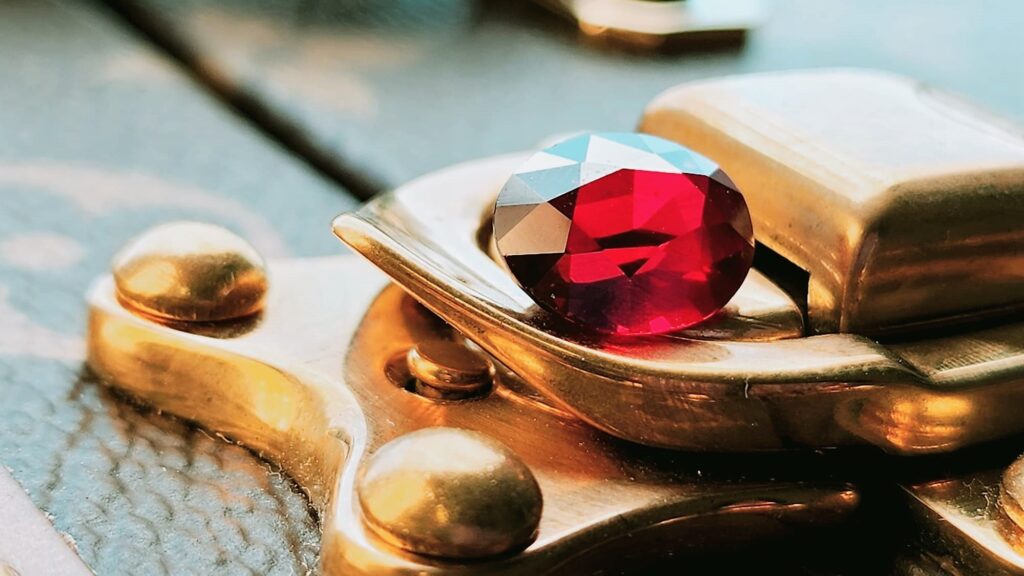
A corundum mineral alongside a sapphire, ruby in “Pigeon’s Blood” red is touted as the “king of precious gemstones”, evident in its popularity and market price. Natural Burmese ruby always commands much higher prices than those from other sources. It thus yields excellent investment returns and is worthy of long-term collection. In the Bible, rubies …

Ruby Read More »

Emerald

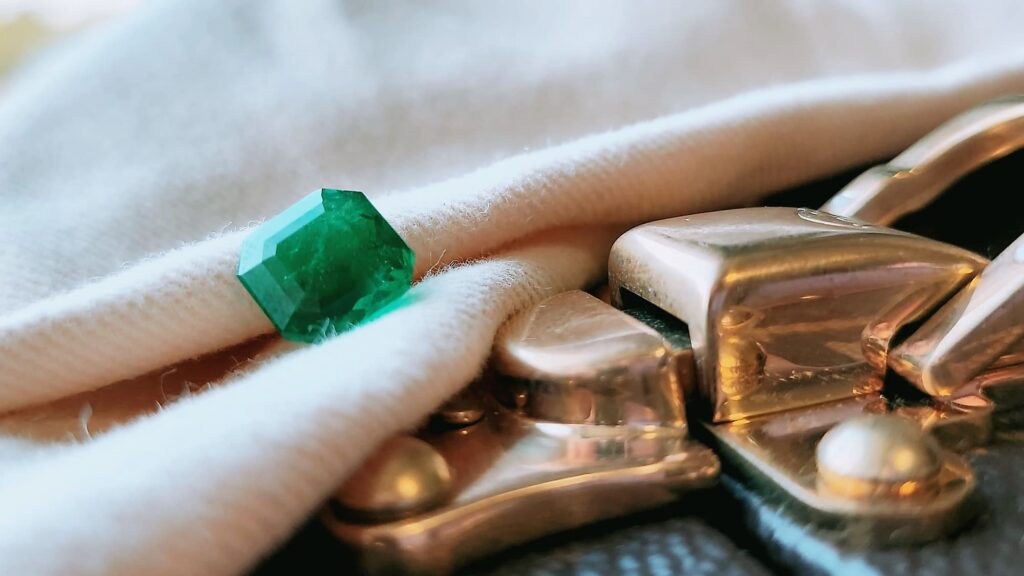
As Asians adore jadeites, the western world revered emeralds as the king of all green gemstones for thousands of years. Due to its crystal nature, fractures and liquid inclusions are emeralds’ most common clarity characteristics. The trade uses “jardin”, garden in French,  to describe these mossy or garden-like inclusions. Emeralds with high clarity are extremely …

Emerald Read More »

Scroll to Top