
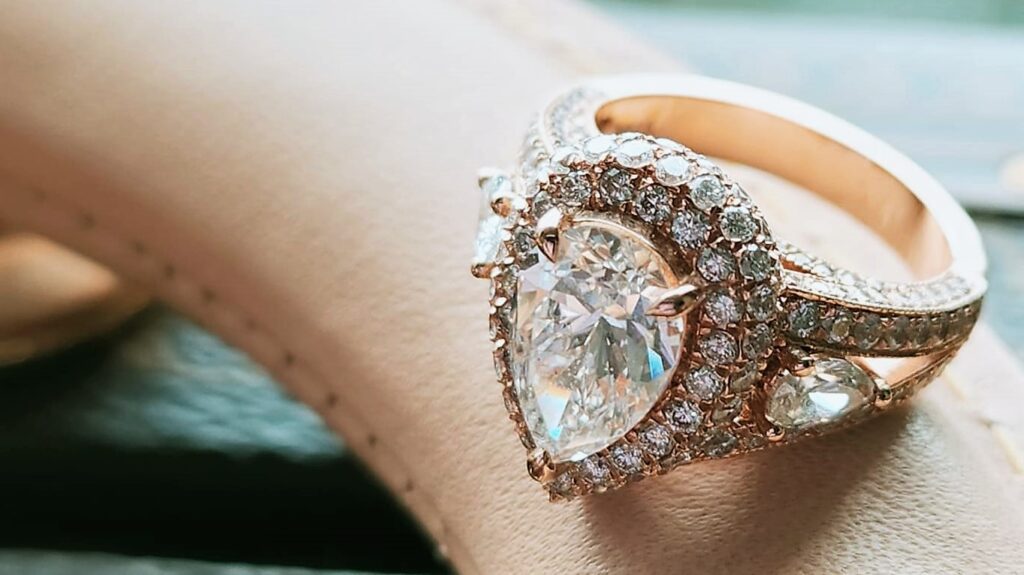
Diamonds are forever. The English name for diamonds came from the Greek word ”adamas” - unbreakable, invincible and unyielding - aptly describing the hardest natural substance on Earth. Nothing can scratch a diamond except another diamond.
The 4C’s are the globally accepted standards to evaluate a diamond’s quality, determined by combining the assessments of each C.
Diamonds are forever. The English name for diamonds is derived from the Greek word ‘adamas’ - unbreakable, invincible and unyielding - aptly describing the hardest natural substance on Earth. Nothing can scratch a diamond except another diamond.
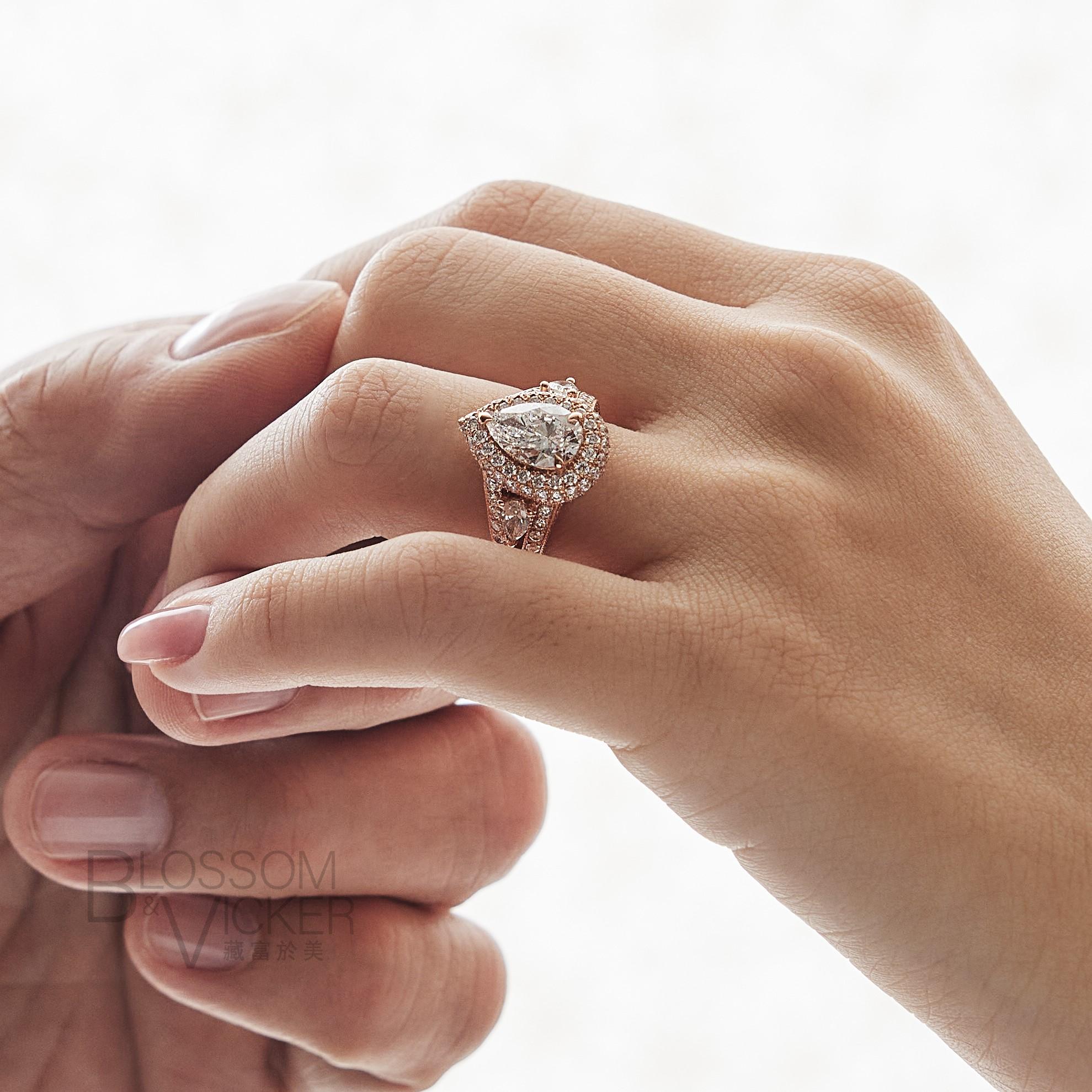
Solitaire rings for life’s most precious moments. (Blossom & Vicker)
The 4C’s (Carat, Cut, Clarity, Colour) of diamond are the globally accepted standards for assessing diamonds. The quality of a diamond is determined by combining the results of all of the 4Cs. So, which of the 4C’s matters the most?
- Cut - BV believes that a diamond’s cut is the most important of the 4C’s. The cut determines a diamond's brilliance, sparkle and overall beauty and matters far more than other factors. The angle and proportion of the cut significantly impact how the diamond returns light and, therefore, sparkles. If the cut is too shallow or deep, the diamond will appear dull due to light leakage or other issues. To an extent, better brilliance and sparkle can make up for the colour of a diamond.
- Colour - Colour represents the degree of colourlessness of a diamond - the less colour, the better. Grade DEF is defined as the colourless Type IIa*. GH is nearly colourless, while IJ is faint yellowish. If you are looking for top-quality diamonds, consider DEF because the difference is only between white, whiter and whitest, indistinguishable under most lighting conditions.
*GIA further classifies colour into four types: Type Ia (near colourless to light yellow, grade HIJK), Type Ib (light to bright yellow), Type IIa (colourless, grade DEF), and Type IIb (blue).
- Clarity - Diamonds’ clarity is graded under a 10X magnification. Compared to the previous two C’s, it is the least important. However, when it comes to cost-effectiveness and value preservation, consider diamonds graded VS1 to VVS1-VVS2.
- Size - A diamond’s size depends on budget and personal preferences. Therefore, consumers can weigh and consider the above three C’s before deciding on the size of a diamond within their reach.
Beyond white diamonds, there are coloured diamonds in yellow, blue, green, and pink, the most expensive being the extremely rare red diamond.
Mohs hardness: 10
